Getting hacked seems like an improbable occurrence, especially for a small or micro sized local businesses.
However, in 10 years or so in this industry, I have seen it happen to a handful of Calgary and area small and medium sized business.
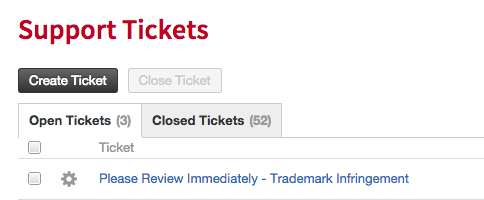
What does being hacked look like?
In one case, the website was replaced by a merry, if not loudly playing song and a cartoon that said “You’ve been hacked from Tunisia.” This was the least serious of the cases.
In another case, the website had a hidden page that was selling generic pharmaceutical products, to which the large pharma company’s trademark enforcement team responded with a serious legal letter requesting a cease and desist. We had less than 5 days to remove the code or face the consequences.
In still another case, the website became blocked by Google for having malicious content, which seriously hurt the company’s credibility, not to mention the lost traffic and stain in Google’s eyes.
In still other, more common cases, email accounts have been suspended for a day or two for sending spam, unbeknownst to the account owner.
What can I do to avoid being hacked?
Have a good password:
Although they’re absolutely harder to remember, a good password should have one uppercase character, a special character and ideally not contain any entire words. Good passwords should be hard to guess and be at least 8 characters.
Change your passwords:
Passwords should also be changed regularly, at least every few months.
You should change your email password, your administrative login password and your FTP password.
Update your website’s version and any plugins:
Because of the lack of perceived value or understanding around why updating versions of your platform and plugins are so important, many businesses don’t allocate a budget- until it’s too late.
If you have a Content management system, like wordpress, joomla or drupal, you need to regularly update your website version as well as plugin versions to avoid being compromised.
If your website is like so many, and is built using open source software like wordpress, there are new versions being released regularly. These updates are intended to fix bugs and protect against vulnerabilities that could lead to being hacked or viruses.
This follows the same logic as the updates released by your browser or the operating system on your phone.
There is actually a hidden war between hackers and technology providers going on beneath our noses. Each update is intended to provide more security and is quickly compromised.
This post isn’t intended to scare you, but to let you know that being hacked is more common than you think.
I hope this post has been informative and convinced you to put security measures in place proactively instead of reactively.